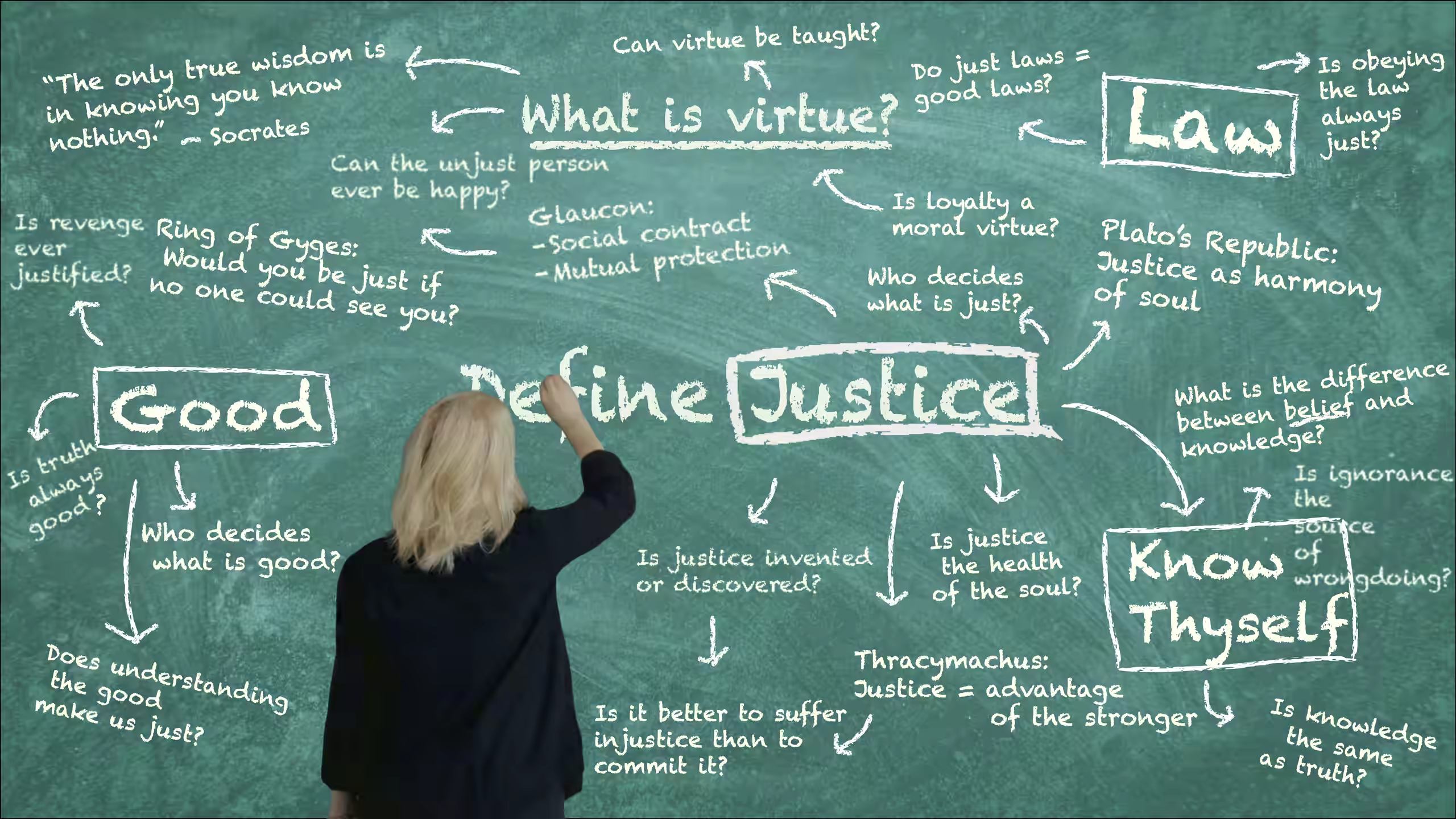
Socra: Thinking, Made Visible.
Traditionally, teachers had to evaluate students based on what they turned in. Socra is a new, one-of-a-kind tool that reveals a student’s thought process, in addition to his or her finished assignment.
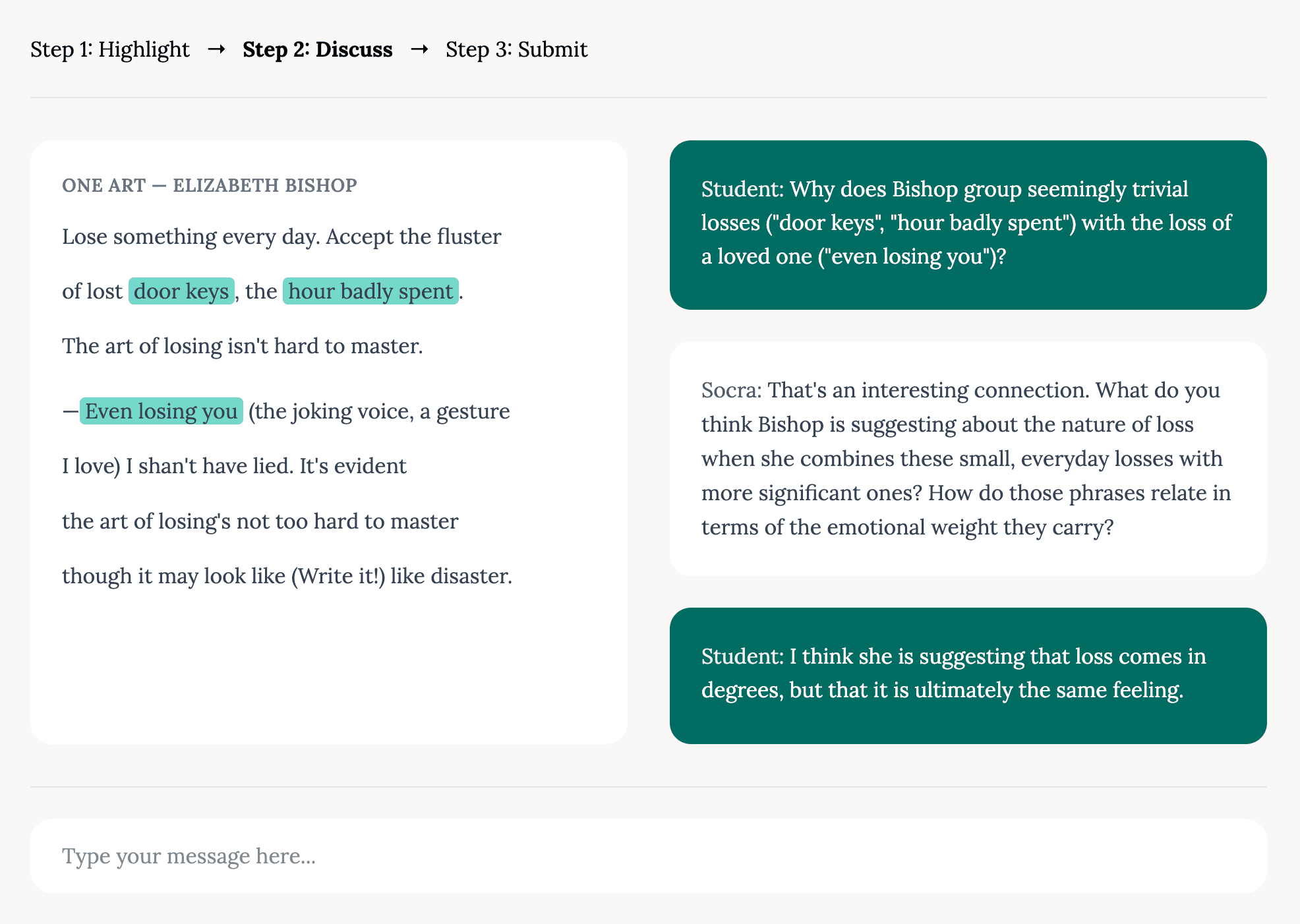
Socratic, AI-powered dialogue captures the reasoning process, not only the result. AI stays in the background to show - rather than do - the thinking.
Why Socra stands apart
Most platforms measure answers. Socra captures the thinking process. Our features are designed to give students space to reason deeply, while giving teachers the tools, community, and insights to guide them forward.

SOCRA: Looking at Dickinson's opening lines
"Tell all the truth but tell it slant— / Success in Circuit lies—"
What feels strange, surprising, or worth pausing on here?
Do you notice any tension or contradiction in how these ideas are phrased?
STUDENT: Why does Dickinson tell us to "tell all the truth" but then say to tell it "slant"? That contradiction stood out to me.
I'm not totally sure what she means yet, but it feels like she's warning that truth might overwhelm people if it's told directly.
SOCRA: Let's slow down and stay with the poem's language rather than the idea alone.
Look at the lines that immediately follow.
Do they confirm your sense of a warning—or do they complicate it?
Students are showing strong improvement in connecting textual evidence to thematic analysis.
Several students tend to rush to conclusions without fully exploring alternative interpretations. Consider prompting them to examine counter-arguments.
The class exhibits particularly strong engagement when discussing irony and symbolism. Building on this strength could enhance learning in other literary devices.
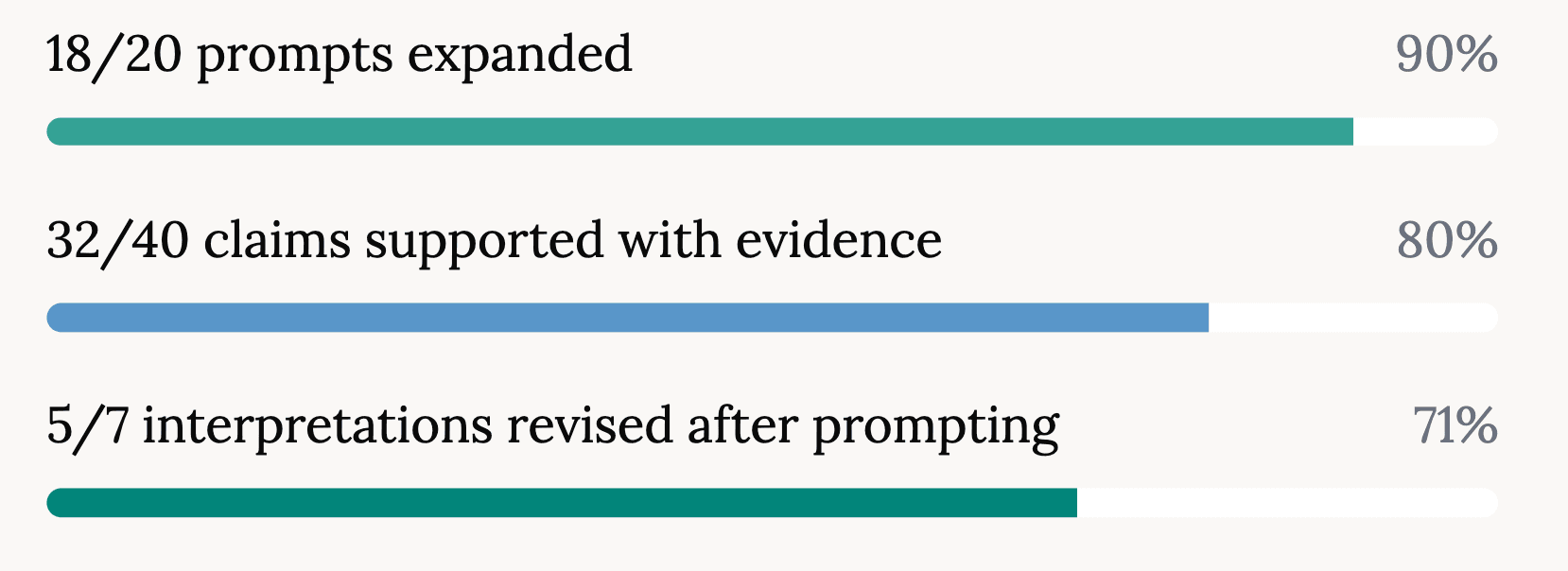
Thinking Metrics: Emma Chen
Emily Dickinson — Dec 17, 2024Claim Evolution
Identified the contradiction in "tell all the truth but tell it slant".
Examined why truth is "Too bright for our infirm Delight".
Connected "As Lightning to the Children eased" to the need for gradual revelation.
Frequently asked questions
These are the questions we hear most often from teachers exploring Socra. Still curious about something? Let us know, we’re always happy to talk.
General
Using Socra
Security & Compliance
Partner with us
We're building Socra with teachers, not around them. Reach out if you'd like to explore a partnership, pilot the tool in your classroom, or just ask us questions. We'll get back to you quickly!
We're students and teachers building the future of learning with A.I.





Being raised by two teachers, she is passionate about building technologies that amplify curiosity and support teachers rather than sideline them.

Her work is driven by a belief that AI should deepen students’ questions rather than replace their thinking—and that teachers must remain at the center of that process.

Max is a black belt martial artist and lion dancer. Word on the street is he once hit the floor at a Boston Celtics halftime show.

Christie is currently teaching herself gardening through ChatGPT alone — and is determined to harvest her first big crop in 2026.

Mudi thrives at the intersection of theory and practice, turning cutting-edge ideas into real systems. He's also the type of guy who can explain quantum random walks over coffee and still make it sound fun.
Our blog
From our co-founders
We believe education needs new ways to see and support student thinking. In our blog, we share the ideas behind Socra and the challenges we're tackling in today's classrooms.

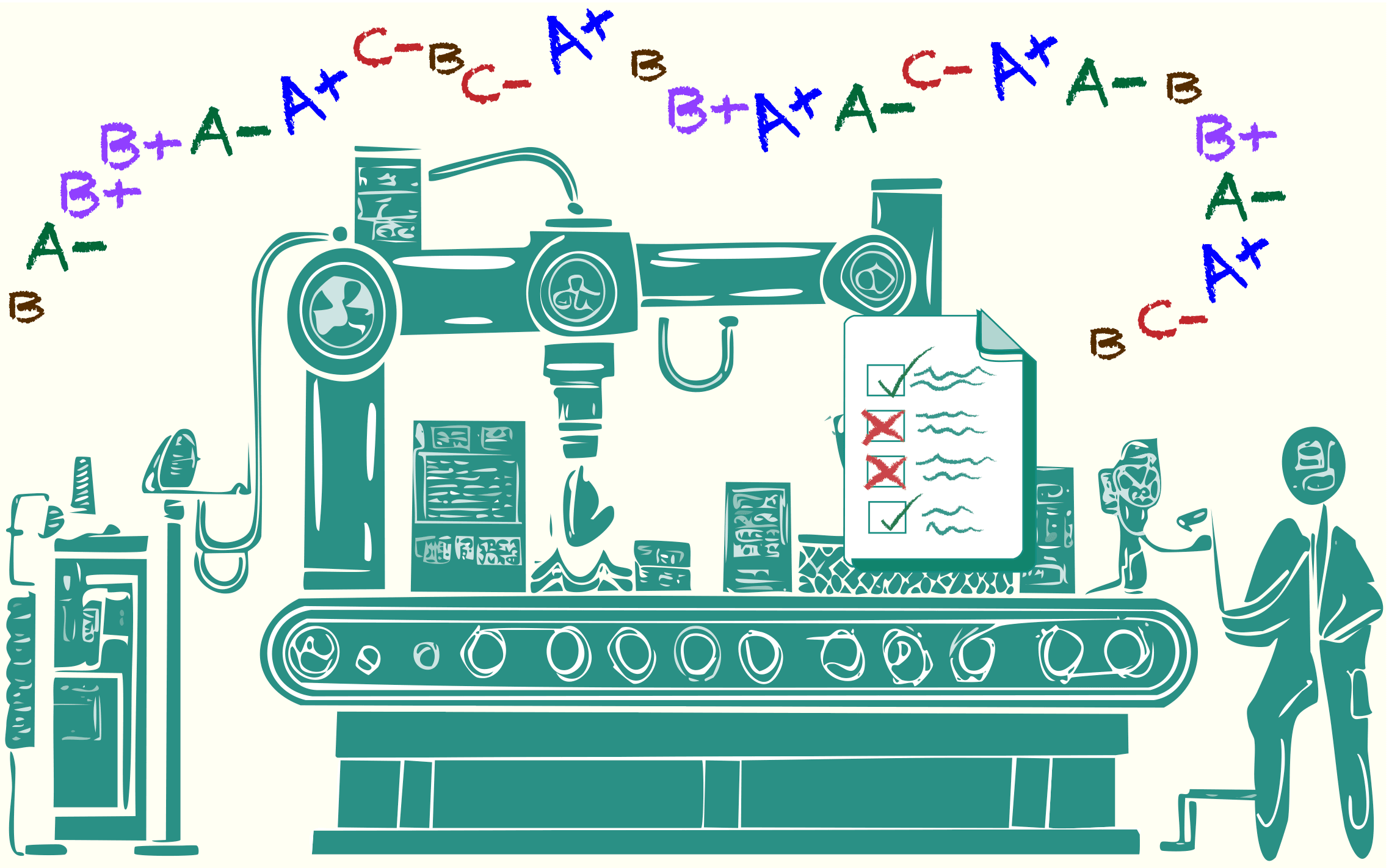
Humanities Education Matters More Than Ever in the Age of AI
Feb 8, 2026 · Haley Moller


Our fellows
Socra Education Fellowship
We're proud to partner with exceptional educators from across the country who are pioneering thoughtful approaches to AI in the classroom.
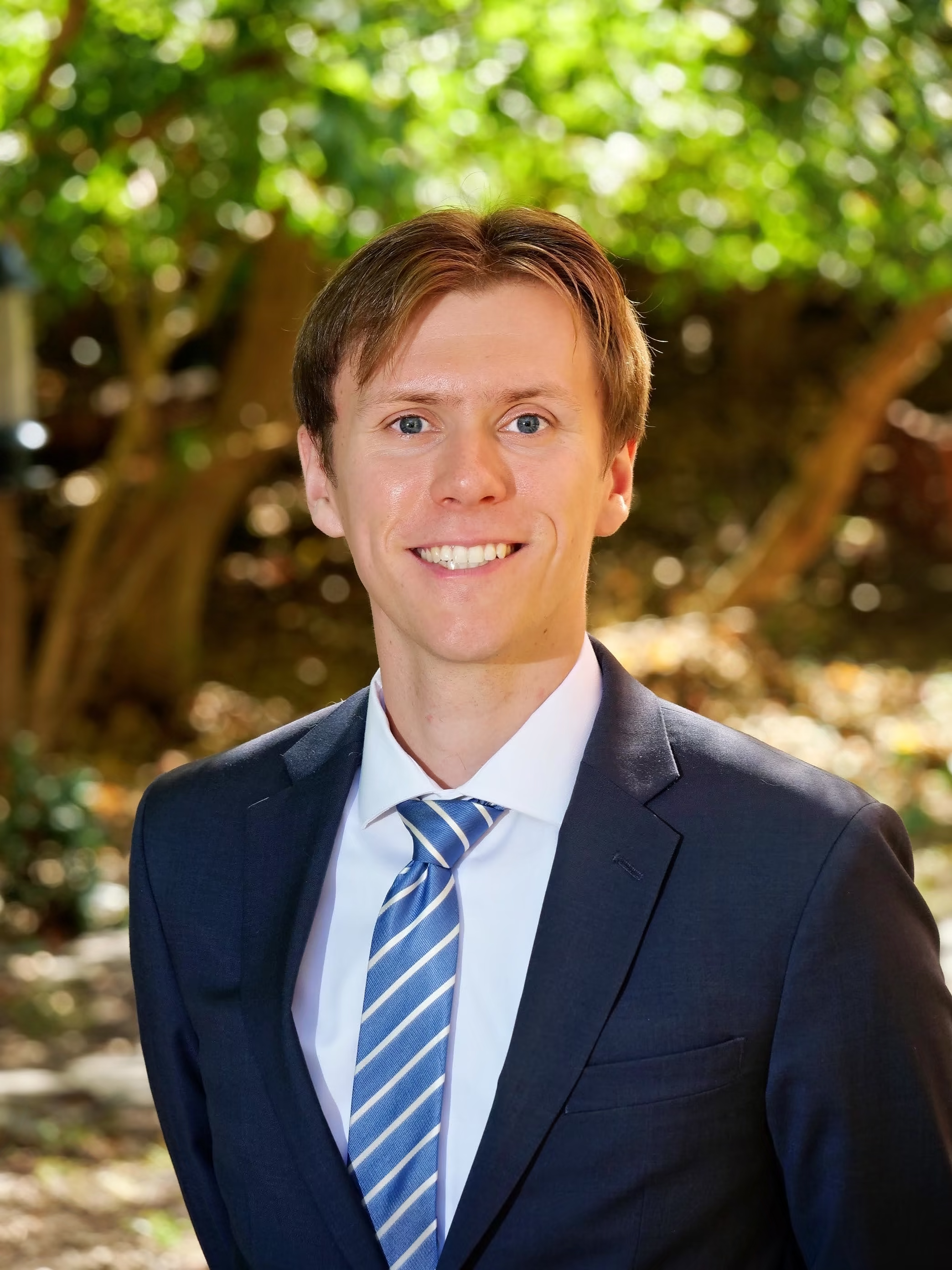
Andrew Faulstich
Maryland
Andrew is the Director of Education and a Humanities Guide at Oneness-Family Montessori High School and the Co-Founder of Developing Education, which includes the Breaking the Paradigm Podcast, First Intention, and The Enlightened Educator Project. He is also an Affiliate Instructor of Montessori Teacher Education at the graduate level at Loyola University. Andrew holds a Master's in International Educational Development from the University of Pennsylvania Graduate School of Education, a Bachelor's in Anthropology from the University of Rochester, and an AMI Montessori Adolescent Diploma.
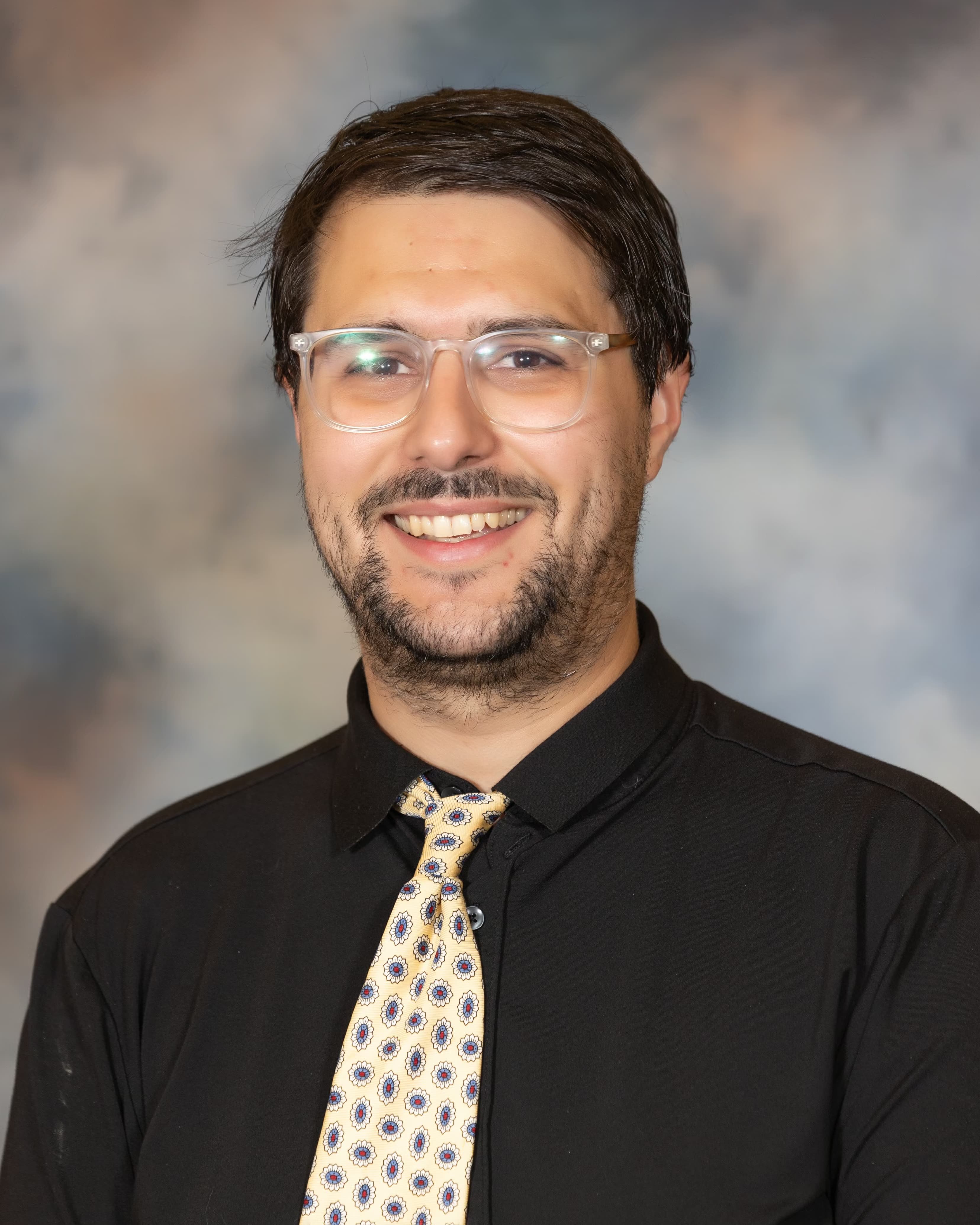
Andrew Soria
California
Andrew Soria teaches religion and philosophy at a private Catholic high school in California. He holds a BA in English and Spanish from Azusa Pacific University and an MA in Comparative Literature from USC. He is passionate about fostering genuine student engagement that organically leads students toward encounters with the good, the true, and the beautiful.

Nichole DePaul
Texas
Nichole is a dedicated educator at Channelview ISD and a proud member of the Socra Education Fellowship. She is excited to collaborate with a community of innovators to transform classroom learning through meaningful and responsible uses of AI. Nichole leverages evidence-based strategies and inquiry-driven instruction to cultivate critical thinking and empower students to lead in an ever-changing world.
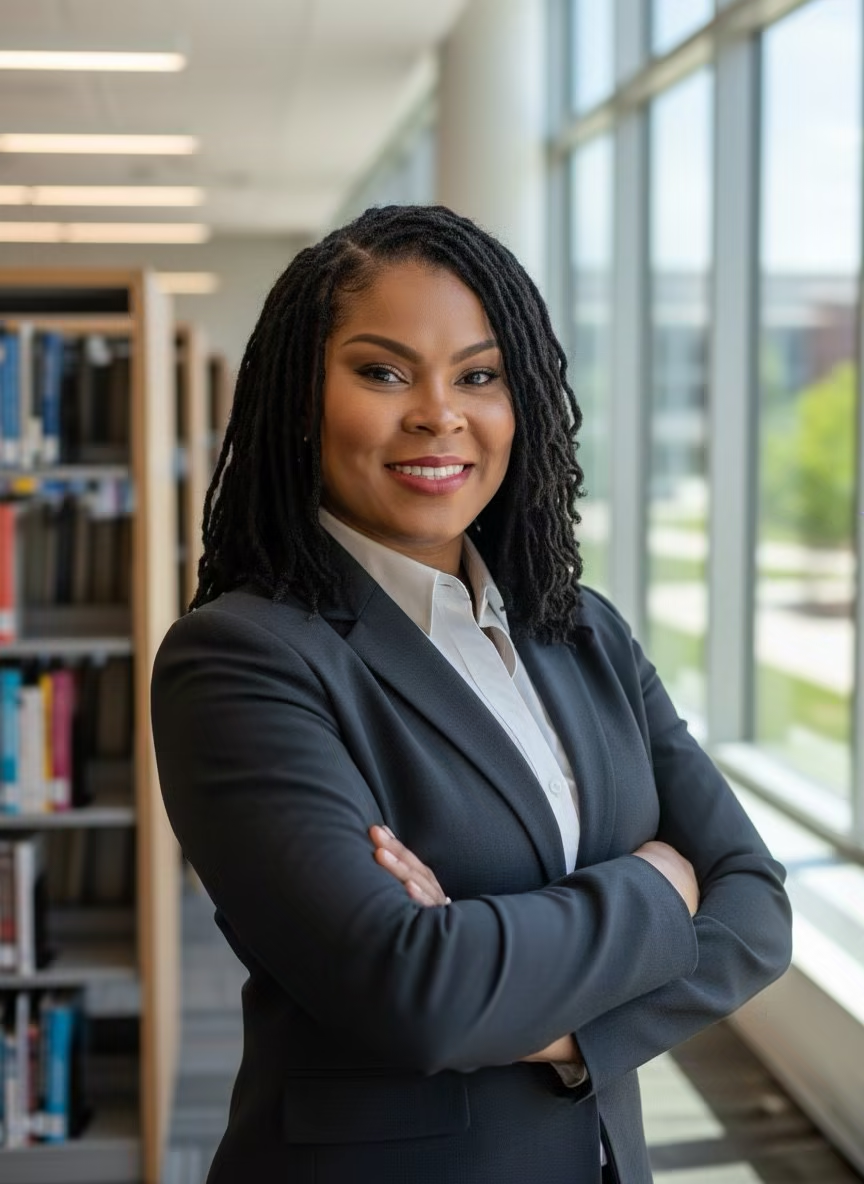
Patricia Swinton
Arkansas
Patricia is a high school English Language Arts teacher and Dyslexia Specialist with a strong focus on student engagement, critical thinking, and literacy development. Through her work with Teach Plus Arkansas, she participates in teacher-led research, including designing student surveys to better understand what motivates students to attend school and stay engaged. Her practice centers on elevating student voice and making student thinking visible through discussion, writing, and reflection.

Mary Slomkowski
Illinois
Mary is a middle school ELA teacher in Chicago. Her work centers on helping students think critically and engage actively in their communities. She strives to nurture hearts that recognize brokenness while equipping students with the skills needed to become agents of repair, working in partnership with families to raise thoughtful, compassionate adults.
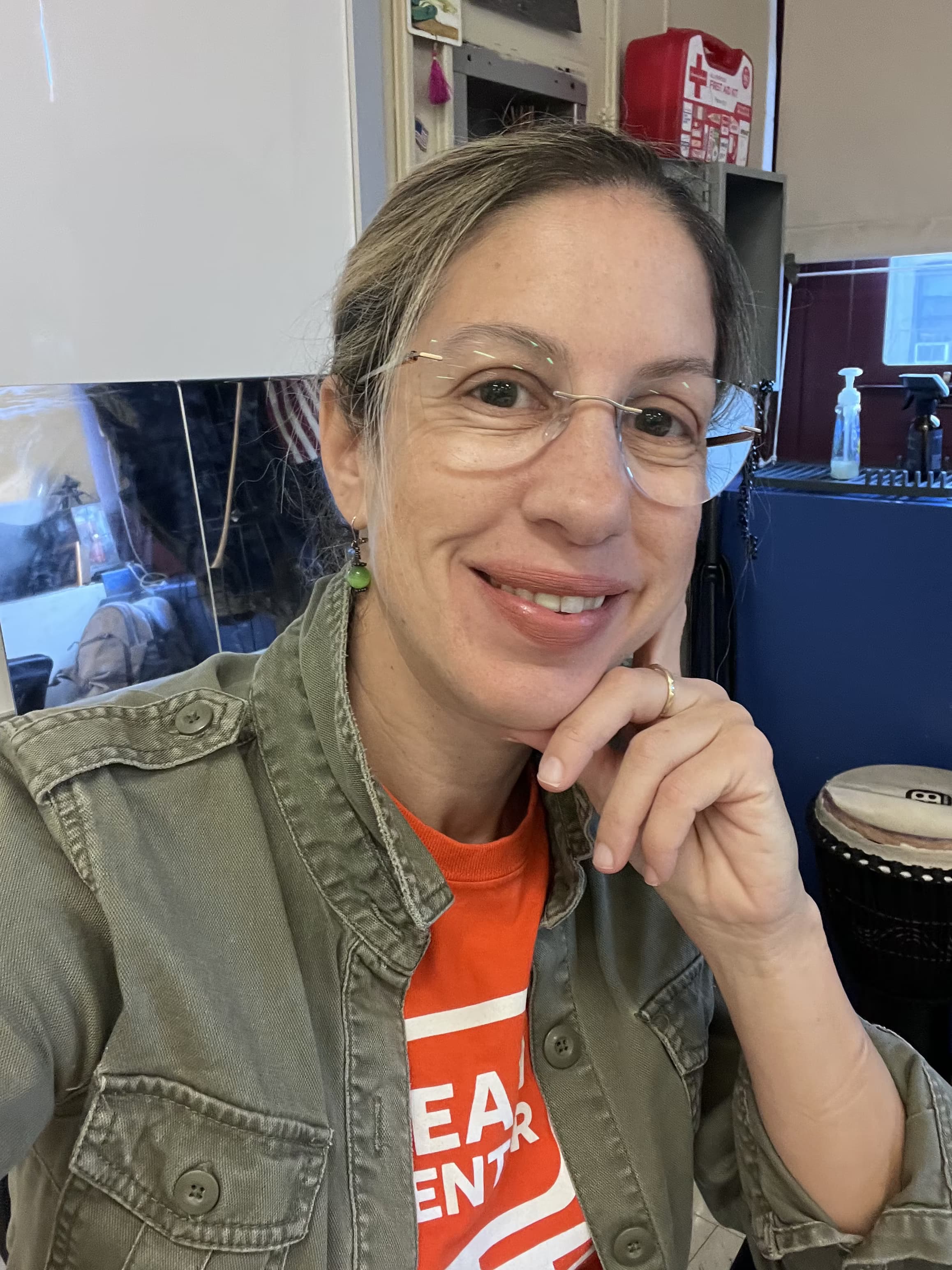
Idit Aluma
New York
Idit has taught in the New York City Department of Education for 11 years and currently serves as a Social Studies educator for AP U.S. History, Economics, and Government. She previously spent a decade teaching 9th-grade World History and has led multiple school initiatives, including social-emotional learning, student government, and serving as Head of the Social Studies Department. Outside the classroom, she enjoys travel, art history, and film, interests she believes enrich both her teaching and personal growth.

Frank Slomkowski
Illinois
Frank teaches MYP and DP Science at Daystar Academy in Chicago, where he helps students see science as a powerful lens for understanding and improving the world. He is particularly interested in inquiry-based learning and supporting students in asking better questions, evaluating evidence critically, and communicating ideas clearly. Frank is excited to partner with Socra to explore new ways of supporting student thinking and reflection.
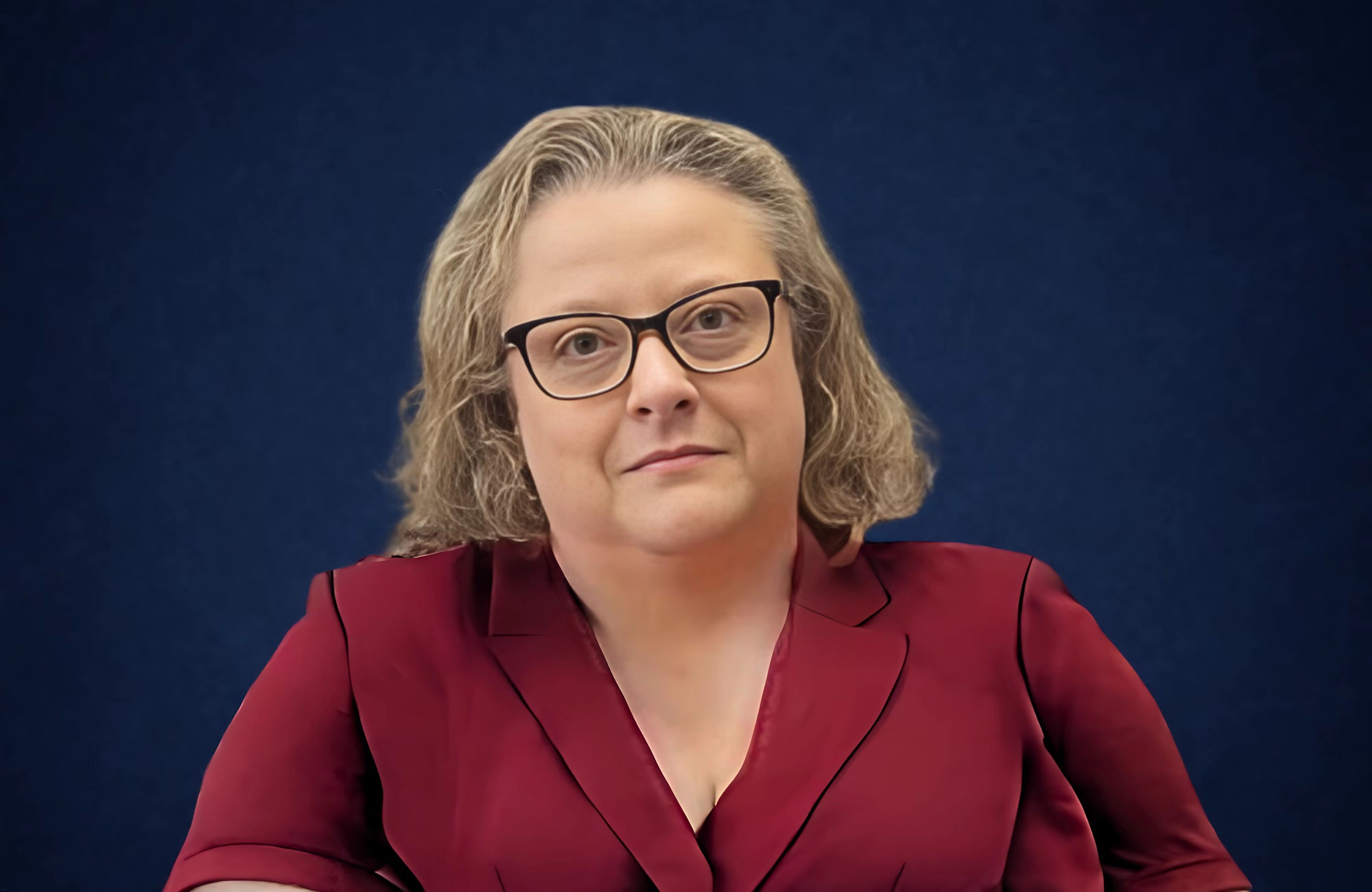
Carolyn Shaw
Virginia
Carolyn Shaw is a special education teacher and case manager. She began her career working with children with autism through behavior therapy before transitioning into the classroom, first as a middle school teacher and now as a high school teacher. She recently completed her master’s degree in special education. Carolyn’s work focuses on supporting high school students with disabilities in the general education setting and helping them make meaningful plans for their future.
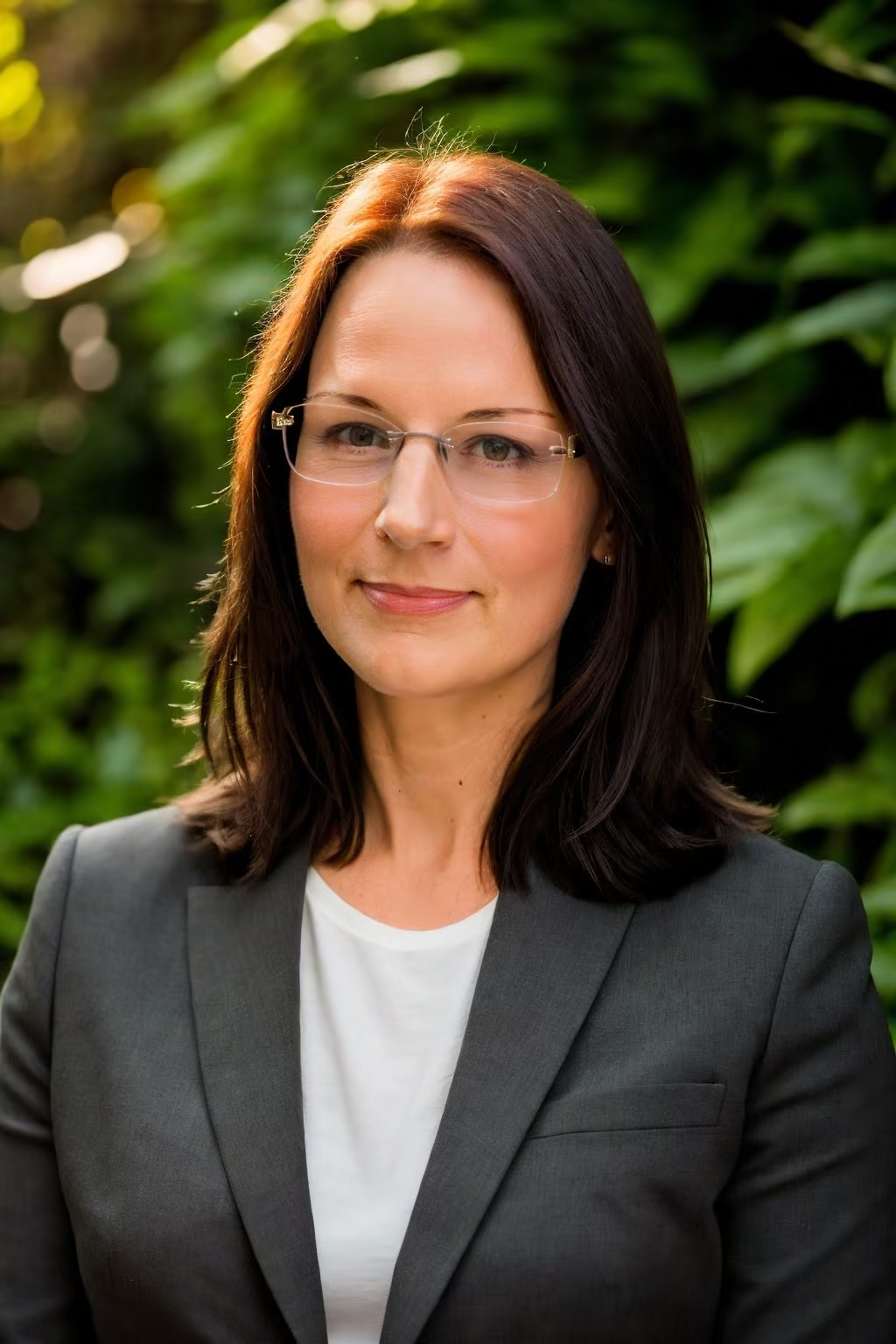
Cathleen Beachboard
Virginia
Cathleen Beachboard is a nationally recognized teacher, author, researcher, and speaker dedicated to transforming schools through the science of psychological hope. With more than two decades of teaching middle and high school English, she brings a rare blend of classroom credibility and research expertise to her work. Cathleen holds a master’s degree in psychology and is completing doctoral research focused on how hope, agency, and resilience can be intentionally taught to improve student achievement, well-being, and long-term outcomes. She is the author of The School of Hope and a featured contributor to Edutopia, where her practical, research-backed strategies help educators address anxiety, disengagement, and burnout. Shaped by both her professional work and her personal experience as an adoptive parent, Cathleen’s mission is to help schools move beyond survival toward environments where students and educators truly thrive.
What others are saying about A.I. and education
Educators, researchers, and thought leaders agree: the future of learning isn't about replacing teachers, but rethinking how we assess understanding in this novel age of A.I.
"Above all else, the needs of students and educators should drive A.I.'s use in education — and educators must be at the table to ensure these tools support effective teaching and learning for all students, regardless of ZIP code."
"I think if we're going to make A.I. work for students, for kids, we need to listen to teachers."
"We have to get to the point where we stop looking for evidence that students are using these tools to cheat and shift our emphasis to looking for evidence that learning has occurred."